
The old story of a crooked wheel favouring one pocket has a certain romance to it, especially when you picture a backroom deal in a smoke-filled room somewhere in Perth. Modern online roulette does not work that way, and anyone chasing a mechanical edge needs to understand the difference between folklore and the actual maths behind the spin.
How Wheel Bias Actually Works
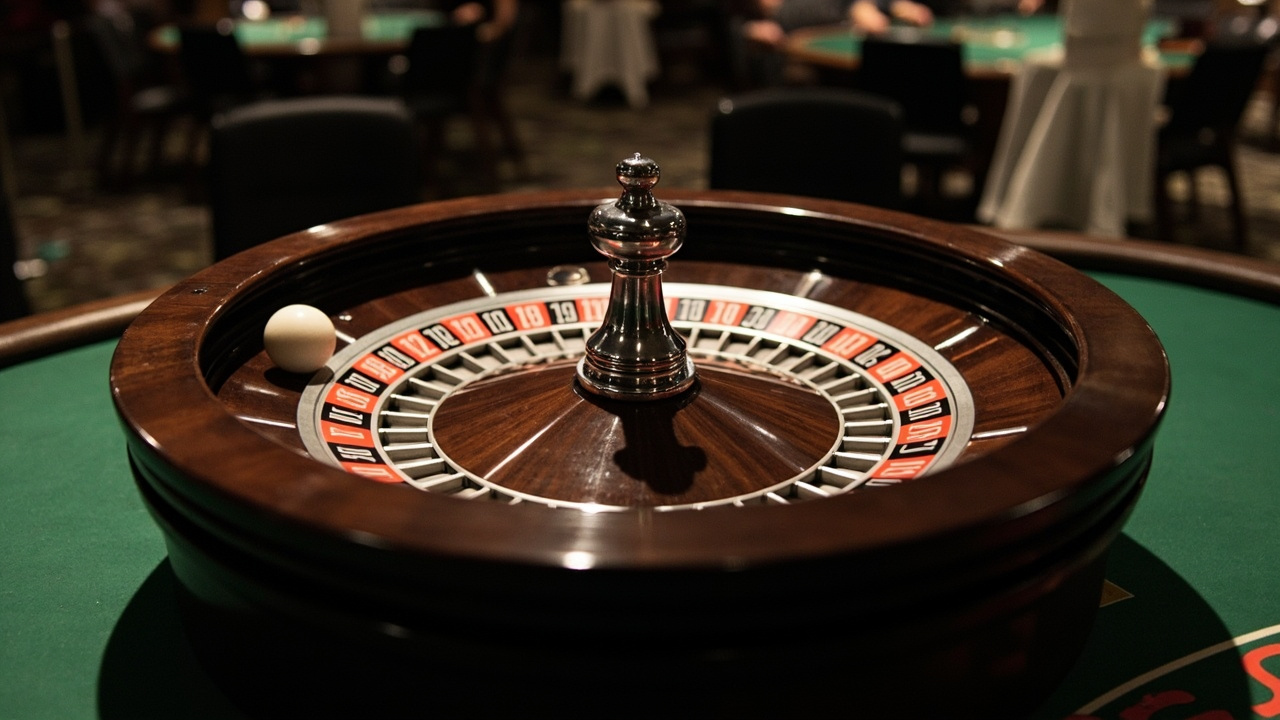
Roulette wheel bias explained properly starts with the physics of the spindle, the frets and the ball track. In a real casino, a worn wheel or a slightly uneven fret can nudge a ball toward a section more often than random chance would suggest, which is why floor managers log results and recalibrate equipment. Online versions strip that variable away: certified random number generators and audited software decide the outcome before the ball ever appears to drop, so a “biased” pocket is a statistical ghost rather than a exploitable flaw. That does not make the topic useless for an Australian player – it makes it a useful reminder that edge-seeking belongs in the maths, not in the superstition.
Reading the Table Before You Put Money In
| Element | What a seasoned player checks | What it means for your bankroll |
|---|---|---|
| Wheel type | European single zero versus American double zero | A single zero drops the house edge to about 2.7 per cent, a meaningful difference over a long session |
| Table limits | Minimum and maximum stakes per spin | Tight limits can cap your ability to scale a bet after a streak, so match the table to your staking plan |
| Bet coverage | Dozens, columns, splits and straight-ups | Wider coverage lowers variance but trims returns, which matters if you are chasing repeat play rather than a quick hit |
| Payout consistency | Straight pay rules across the board | Inconsistent rules are a red flag; clean, uniform payouts are the baseline you should expect |
The table above is not a magic key, but it is a practical filter when you are deciding where to sit down. A player who understands roulette wheel bias explained also understands that the real advantage comes from choosing a lower-edge layout and managing variance, not from hunting a mythical pocket that the screen will not let you find. Greyhound racing sees dogs chase a mechanical lure around a track, and the comparison is useful: the outcome is engineered by the setup, not by the crowd’s hopes, so your edge comes from knowing the setup rather than reading the crowd.
Does This Edge Thinking Fit Your Play Style
If you are the type who logs sessions, tracks your staking and treats a losing arvo as information rather than a disaster, then bias-aware thinking has a place – as discipline, not as a promise. If you are mostly after a quick flutter on a Friday night and a clean exit, then the whole discussion is mostly background noise, and your time is better spent checking table limits, payout clarity and whether the site’s repeat-play incentives actually reward you after the welcome offer is gone. The question worth asking is not whether you can spot a crooked wheel, but whether your approach survives a couple of hundred spins without turning a fun night into a stressful one. 242devoted.com
What Keeps You Coming Back After the Welcome Offer
A welcome bonus is only a handshake, and the real test of a site is what happens once that first deposit cycle ends. Recurring promos, cashback on bad runs, a loyalty or VIP tier that actually recognises volume, and tournaments with real prize pools are the things that give a player a reason to log in next month rather than moving on. If a platform only dangles a one-off match bonus and then goes quiet, it is not built for repeat play, and that matters more than any clever marketing line about the spin of the day. Players who think in terms of ongoing value tend to pick sites where the loyalty mechanics are visible, the cashback is not buried in impossible terms, and the tournaments have a sensible entry point rather than a stake that eats the prize.
Registering, Paying and Playing on the Move
Registration should be straightforward enough that you are not spending your whole arvo filling in forms, and the payment options need to match the way Australians actually move money – think local-friendly methods, clear currency handling and no surprises when you try to withdraw. Mobile play needs to be more than a shrunk-down desktop page; the buttons, bet slips and live tables should hold up when you are on the train or sitting in a café, because a site that only works properly at a desk is a site that loses you between sessions. Support matters here too, since a clean registration and a solid mobile experience mean little if you hit a snag and cannot get a sensible answer without jumping through hoops.

The Long Spin and the Short Memory
The old image of a biased wheel in a dim backroom is a good story, but it is also a useful reminder that the modern game is built around audited randomness and tight table design, not around crooked frets and lucky pockets. If you go in knowing that, you are less likely to chase a phantom edge and more likely to pick a table that suits your staking, check the payout rules, and decide whether the site’s loyalty and recurring promos actually give you a reason to come back next week. The real question is not whether the wheel is biased – it is whether your approach survives the long run of spins without turning a decent session into a rough one.