Craps vs Roulette: Two Tables, Different Paces
Craps vs Roulette: Which Table Fits Your Night In
If you are weighing up craps vs roulette for a quiet arvo at the tables, the choice really comes down to pace and how much structure you want before the first roll. Both games have their own rhythm, but they reward different kinds of attention, and that matters more than the decor on any given night. I have spent years tracking how search visibility and brand reputation shift when operators push one table over another, and the pattern is consistent: players stick with what matches their temperament, not what gets the loudest hype. A solid starting point for Australians checking local options is jeetcasino for a quick look at how different operators frame their table offerings.
How the two tables actually sit on the floor
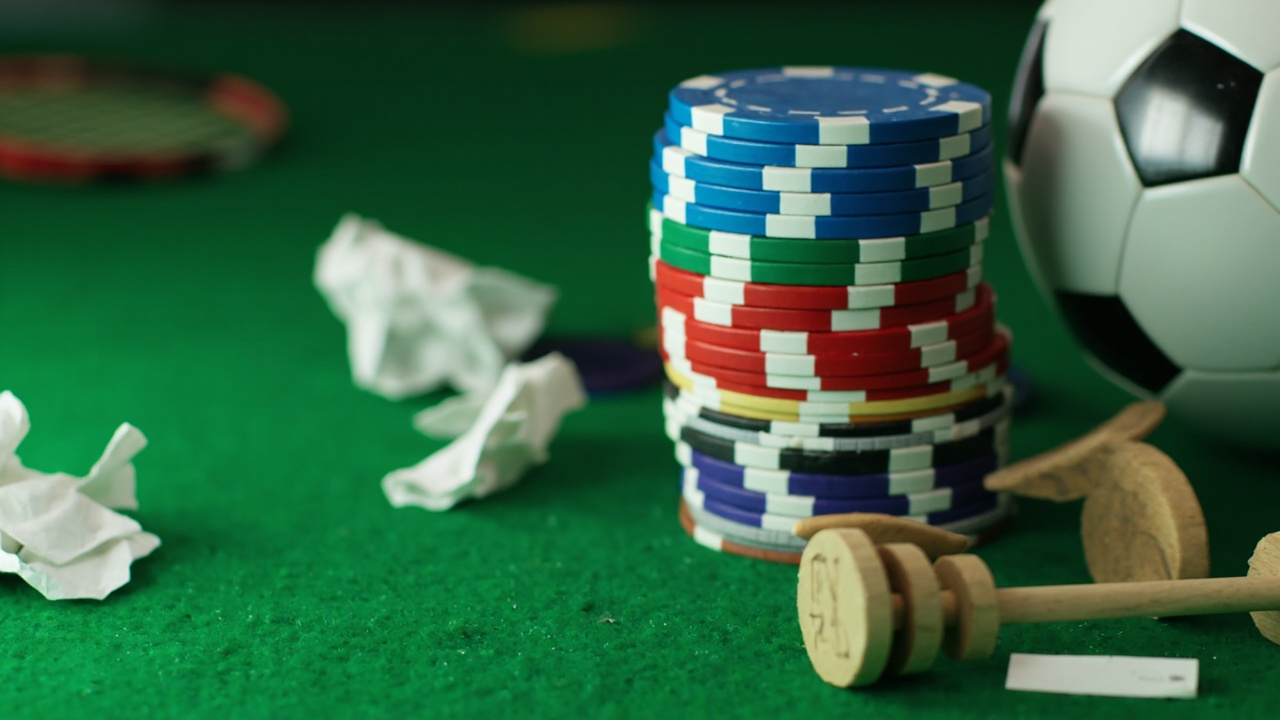
Craps and roulette share a casino floor but rarely share a crowd. Craps runs on a shooter, a puck, and a string of bets that build around the pass line and its derivatives, so the action clusters around one person rolling dice while everyone else reads the table layout. Roulette is flatter and more individual: a wheel, a ball, and a grid where you place chips on numbers, splits, or outside sectors, then wait for the spin to settle. The difference in feel is real. Craps asks you to follow a sequence and pick your spot in it, while roulette lets you make a single decision and step back. From a brand-reputation angle, operators that present craps clearly tend to attract players who like reading the room, whereas roulette tables usually pull the casual crowd that wants a quick, self-contained bet without tracking a progression.
Where each game fits a player’s habits
Think about how you actually like to spend an evening, because that is usually the deciding factor. If you enjoy watching a sequence unfold and picking your position inside it, craps gives you that structure without asking you to memorise a stack of unrelated rules. If you prefer a cleaner setup where one decision leads straight to a result, roulette keeps things straightforward and less dependent on what the rest of the table is doing. A few player-fit scenarios worth weighing:
- A social player who likes reading the table and jumping in when the rhythm feels right will usually gravitate toward craps, especially when the pace is steady rather than frantic.
- A solo player who wants a clear bet, a clear spin, and minimal table chatter will often find roulette easier to settle into on a busy night.
- Someone switching between sessions might treat craps as the main event and roulette as a slower side game when the crowd thins out.
The practical takeaway is that neither game is universally better; they simply suit different attention spans and different levels of table involvement.
What the local landscape tells you about table choice
Australian players do not need to guess how these games are presented locally, because the regulatory backdrop already shapes what you see on the floor. The Victorian royal commission let Crown Melbourne keep its licence under strict oversight, which is a useful reminder that table games in this market run inside a supervised environment rather than a free-for-all. That context matters when you compare craps vs roulette, because the way an operator sets up its tables, trains its staff, and explains the layout says a lot about how comfortable the session will feel. I have watched brands lose search visibility and reputation simply because their table presentation felt cluttered or their staff explanations were inconsistent, and the reverse is just as true: clear signage, calm pacing, and honest table etiquette build trust faster than any bonus mechanic ever will.
How to read the table before you put money down
A good session usually starts with a quick read of the table rather than a rush to the layout. In craps, that means noticing where the puck sits, which bets are already active, and whether the shooter is settling into a steady rhythm or chasing a streak. In roulette, it means checking the wheel style, the minimum and maximum chips on the felt, and whether the table is running fast or slow enough for you to think before each spin. A few practical habits help keep the session readable:
- Watch the first couple of rounds before committing, so you can see how the table is moving and where the noise level sits.
- Check the chip values and table limits early, because a mismatch there can make a calm game feel awkward very quickly.
- Decide your exit point before the session gets busy, since a crowded table can change the pace without much warning.
The point is not to overthink the floor; it is to pick the game that matches how you want to spend the night, then read the table long enough to confirm it is actually delivering that pace.
Both craps and roulette earn their place by offering a different kind of evening, and the better pick is usually the one that matches your attention span rather than the one with the louder reputation. Craps suits players who want to track a sequence and read the table as it develops, while roulette suits players who prefer a cleaner, more self-contained decision each time. If you are comparing craps vs roulette for a local session, the smartest move is to watch the pace first, then decide which table fits the way you actually like to play.