
Baccarat history and origin carries more weight than most punters give it credit for, especially when you’re sizing up a new wagering brand’s table game library. Spinsamuraireviews.com tracks the way modern operators package these classic shoes, and the pattern is pretty consistent across the region. The game didn’t arrive in Australia through some grand design; it filtered in through Macau’s high-limit halls, then through digital payment rails and compliance frameworks that had to be rebuilt from scratch. If you’re trying to work out whether a platform’s card tables actually suit your play style, you need to understand where the rules came from and how they’ve been adapted for today’s local market.
How the Game Crossed From European Salons to Australian Screens

The early baccarat history and origin traces back to Italian and French card rooms, where the name itself was tied to old wagering customs rather than any single inventor. Packed tighter than a Melbourne tram on AFL Grand Final day, the early tables were built for high-stakes operators who wanted a slow, methodical game with a built-in house edge. When the format migrated toward the Asia-Pacific corridor, it carried that same deliberate pace but picked up faster payment cycles and clearer table rules. In Geelong, a couple of licensed venues started running low-stakes shoe games on quiet weeknights, treating them as a steady sideline rather than a headline draw. The real shift happened when operators realised the game’s simplicity made it easier to standardise across multiple jurisdictions, which is exactly why you see it baked into so many regional platforms today.
If you’re weighing how a modern site presents the same mechanics, it helps to compare the old salon layout against what you actually see on a current interface. The following table lines up the original structural traits with how they’re typically handled now.
| Original trait | Typical modern handling |
|---|---|
| Fixed commission on banker wins | Often built into the displayed odds or rounded payout display |
| Slow, dealer-led shoe rotation | Digital shoes with timed rounds and clear round markers |
| High table minimums for salon play | Lower entry points with optional side bets for casual sessions |
| Paper scorecards and manual tracking | On-screen roadmaps and auto-tracked result history |
That comparison matters because the game’s identity has stayed intact while the delivery layer changed. A practical walkthrough for a player starts with the registration flow: you pick a local currency, pass the standard age and identity checks, and land on a lobby where baccarat history and origin is usually grouped under a broader card table section rather than pushed as a promotional headline. The shoe loads with a visible rule panel, the commission structure is shown before the first bet, and the roadmaps update after each round so you can track patterns without leaning on paper cards. It’s a straightforward sequence, but the quality of that presentation tells you a lot about whether the operator has actually invested in the table layer or just dropped it in as filler.
Once you are ready to play, the interface keeps the focus on the card tables rather than distracting banners. You can find more detailed breakdowns of the platform’s features at https://spinsamuraireviews.com/. This approach ensures that the game remains accessible without compromising on its core structure.
How Players Actually Encounter the Table in Day-to-Day Play
When you first sit down at a digital shoe, the experience is less about spectacle and more about rhythm. You pick a stake, choose player or banker, and watch the dealer hand out the third-card rules without any guesswork. The pace is deliberate, which suits punters who want a game that runs on fixed rules rather than fast-twitch side action. Mia Parker, Commercial Director, Swan River Interactive, puts it plainly: “The table’s appeal is that the rules do the heavy lifting, so operators who rush the presentation usually lose the players who actually care about the shoe.”
For most Australians, the first real test is whether the platform lets you move between tables without re-staking or losing your session settings. A decent setup keeps the bet slider accessible, shows the current commission clearly, and doesn’t bury the result history under promotional banners. If you’re playing in the arvo after work, you want the interface to stay quiet and predictable rather than flashing bonus prompts every time a round closes. The game’s origin as a slow, methodical salon game is exactly why it still works for people who treat it as a measured session instead of a sprint.
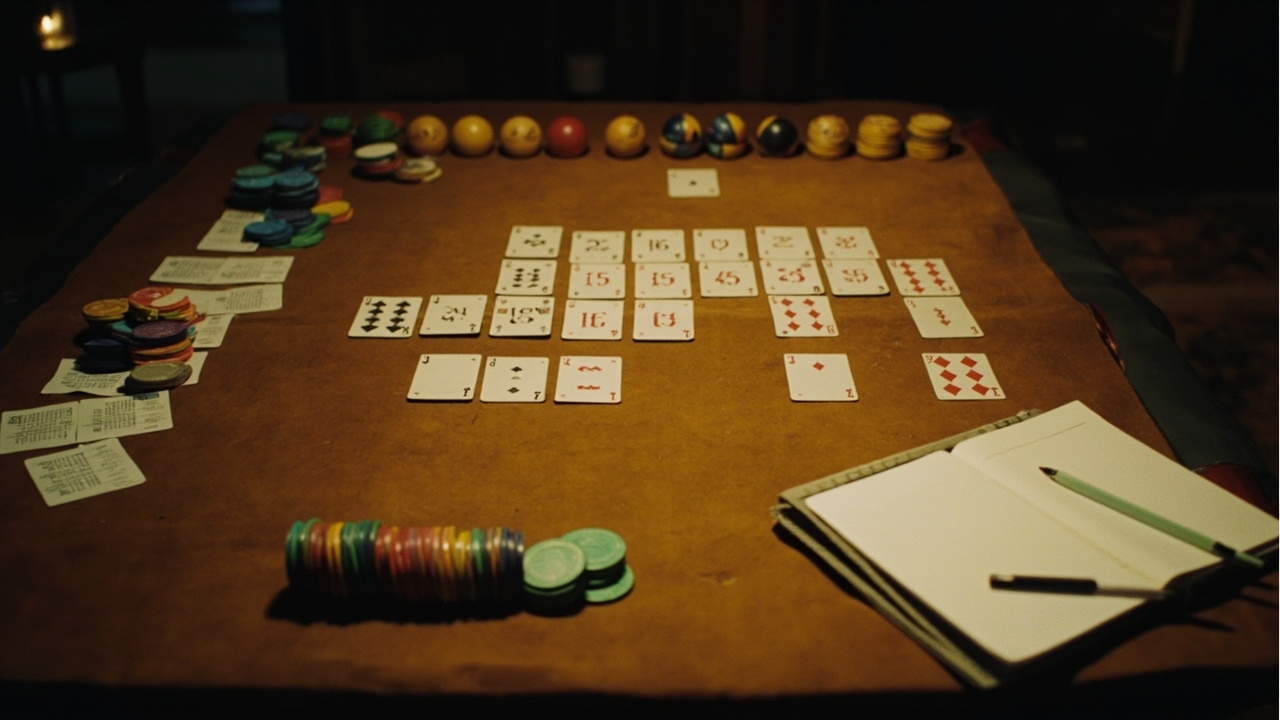
Side action can be useful if you understand what you’re buying into, but it shouldn’t replace the core shoe if you’re there for the main game. A short list of things worth checking before you commit to a table:
- Whether the banker commission is shown before you place the first bet
- If the roadmaps reset cleanly between shoes or carry over confusingly
- How fast the round timer moves when the table is quiet Как работают спины и раунды в
- Whether the stake range actually fits a casual session or forces a high minimum
- If the help panel explains third-card rules without sending you to a generic FAQ
That checklist keeps the focus on usability rather than hype, which is where a lot of operators drift off course. The game’s history and origin don’t need embellishing; they just need to be presented clearly enough that you can make a sensible call about whether the table suits your bankroll and your patience.
Why Compliance and Payments Shape the Way the Game Is Offered
Baccarat history and origin didn’t travel to Australia in a vacuum; it arrived alongside payment rails and compliance expectations that had to be rebuilt for local rules. Operators who treat the table as a plug-in item usually run into friction when verification, currency display, or round settlement doesn’t line up with what punters expect. Daniel Mitchell, Head of Product, Flinders Interactive Group, notes: “If the shoe rounds settle cleanly and the currency display stays consistent, players stick around; if either wobbles, the table feels broken even when the rules are right.”
That judgement call matters because the game’s simplicity exposes weak backend work quickly. A shoe that runs smoothly but hides the banker commission until after a win creates the same kind of frustration as a payment flow that shows one balance and settles another. In practice, the better platforms keep the round marker, the payout display, and the account currency aligned so you’re not doing mental conversions mid-session. It’s a boring detail on paper, but it’s the difference between a table that feels settled and one that feels like it’s being managed on the fly.
Blake Kelly, Compliance Director, Flinders Interactive Group, adds a useful caveat: “The rules are fixed, but the way an operator presents them still has to pass the same scrutiny as any other wagering product, because clarity is part of the compliance picture.” That’s a fair call, and it’s why you see some sites investing in cleaner rule panels and more consistent round history rather than leaning on side promotions to carry the table. When the compliance layer is handled properly, the game can just be the game; when it isn’t, even a well-built shoe feels awkward to use.
How a Review Site Actually Frames the Table for Local Punters
A solid review doesn’t try to turn baccarat history and origin into a brand-new story; it checks whether the operator’s presentation matches the game’s actual structure. Spinsamuraireviews.com keeps an eye on how different platforms handle the shoe, the commission display, and the round history, which is the kind of practical framing that matters more than glossy promotional copy. If you’re comparing sites, the useful question is whether the table section feels like a genuine product or just a placeholder that happens to carry the game’s name.
The best reviews break the table down by what you actually touch during a session: the lobby placement, the bet range, the rule panel, the roadmap clarity, and the way the round settles back into your balance. They also note whether the platform treats the game as a standalone product with its own settings or dumps it into a generic card table bucket where everything gets the same shallow treatment. That distinction tells you a lot about the operator’s product team and whether they’ve bothered to tune the table layer for local players.
For anyone working out whether a site is worth a look, the practical move is to treat the table as a usability test rather than a promotional hook. Spin a few rounds, watch how the commission and roadmaps behave, and see whether the support panel can answer a straightforward rule question without sending you in circles. The game’s origin doesn’t need rewriting; it just needs an operator who can present it without making the session feel clunky.
A good review focus stays on the table itself, not the surrounding noise. When you’re reading a breakdown, look for concrete notes on stake range, round settlement, rule clarity, and currency handling rather than broad claims about the platform’s overall vibe. That’s where the real comparison lives, and it’s the part that actually helps you decide whether the game fits your session style.
The baccarat history and origin story is really a story about how a slow, rule-bound salon game survived by staying simple while the platforms around it had to get much better at payments, compliance, and clear presentation. For Australian adults looking at a new table offering, the practical question is whether the operator has done the unglamorous work of making the shoe readable, the commission obvious, and the round history useful. If those pieces line up, the game can sit comfortably in a session without demanding any extra drama. If they don’t, no amount of promotional colour will fix the underlying friction.