A Brisbane arvo at the local club, watching the felt table while the coffee machine hums, is where most Aussies first notice how a plain blackjack hand can quietly tilt the night. The base game runs on simple arithmetic, but the little squares on the layout ask for something else entirely. This review explains what those extra wagers actually cost, where they fit, and which player types should touch them at all. Read it before you sit down, because the maths behind a side bet rarely matches the glitter on the placard.
Where Side Bets Fit in a Real Session

Blackjack side bets explained as a product category are really about paying a small premium for a narrow payoff window. A well-built table gives you a few named squares – perfect pairs, 21+3, a suited match – each with its own payout grid and its own house edge baked into the rules. The distinguishing trait is speed: you drop a chip, the dealer checks, and the resolution arrives before your main hand even finishes drawing. That fast cadence suits players who want a second string of action without switching games or waiting for a new shoe to shuffle through. The everyday usability hinges on bankroll discipline, because a side wager that pays fifteen-to-one still loses the majority of the time, and the loss rate compounds when you treat it like a main bet rather than a garnish.
The practical question is whether that garnish belongs in your session at all. In SaaS growth work, you learn quickly that a flashy micro-conversion can pull users toward a feature that looks valuable but quietly drains retention; the same judgement call applies here, because a side bet can feel like extra engagement while actually thinning your stack faster than the base game alone. The review focus stays on that tension: a side bet is never the engine of a blackjack session, it is a small optional lane that only makes sense when the lane’s cost matches your appetite for variance.
| Detail | What it usually means on the felt |
|---|---|
| Typical entry point | A separate chip or digital toggle, sized independently from the main bet |
| Common variants | Perfect pairs, 21+3 style card combinations, suited or matched hands |
| Payout shape | Higher top-line rewards with a lower hit frequency than the base game |
| Practical fit | Best as a capped, occasional add-on rather than a standing wager |
| Session role | A secondary thread that should not dictate your base-game decisions |
Two Player-Fit Scenarios Worth Weighing
Players chasing a defined, short-lived thrill
Some players sit down for a single quiet hour, want a little extra colour on the layout, and understand that the extra squares are paid for by a steeper edge. For that profile, a side bet can work as a deliberate, capped line item. The key is treating it like a set cost rather than a recovery tool: decide the dollar amount before the shoe starts, place it only when the main bet is already sized comfortably, and walk away from the square the moment the session goal is hit. The everyday usability here is straightforward, because the bet does not ask you to change how you play your main hand, it simply asks you to accept a separate loss rate on a separate line.
That judgement call mirrors a lifecycle marketing rule I have used across FinTech and eCommerce: a nudge that looks harmless can still shift behaviour if it is placed inside the wrong decision moment. A side bet placed during a losing streak is not entertainment, it is a quiet pressure test on your discipline, and the maths does not care how confident you feel at the table. https://jackpotjill-pokies-login.com
Players who want every dollar working on the main game
Other players prefer their money tied to the decisions that actually respond to strategy: when to stand, when to split, when the count tilts the odds a fraction. For that profile, side bets usually do not earn their place. In the old days, a busy floor clerk might still be doing a hard count of coins behind the cage, a fading task in modern casinos now that screens and automated shoes handle most of the tally, but the underlying point remains: the real edge in blackjack lives in the main game’s decision tree, not in a square that pays out on a lucky combination. When your goal is to keep the session tight and the variance contained, the better move is often to leave the extra squares alone and let the base bet do the work.
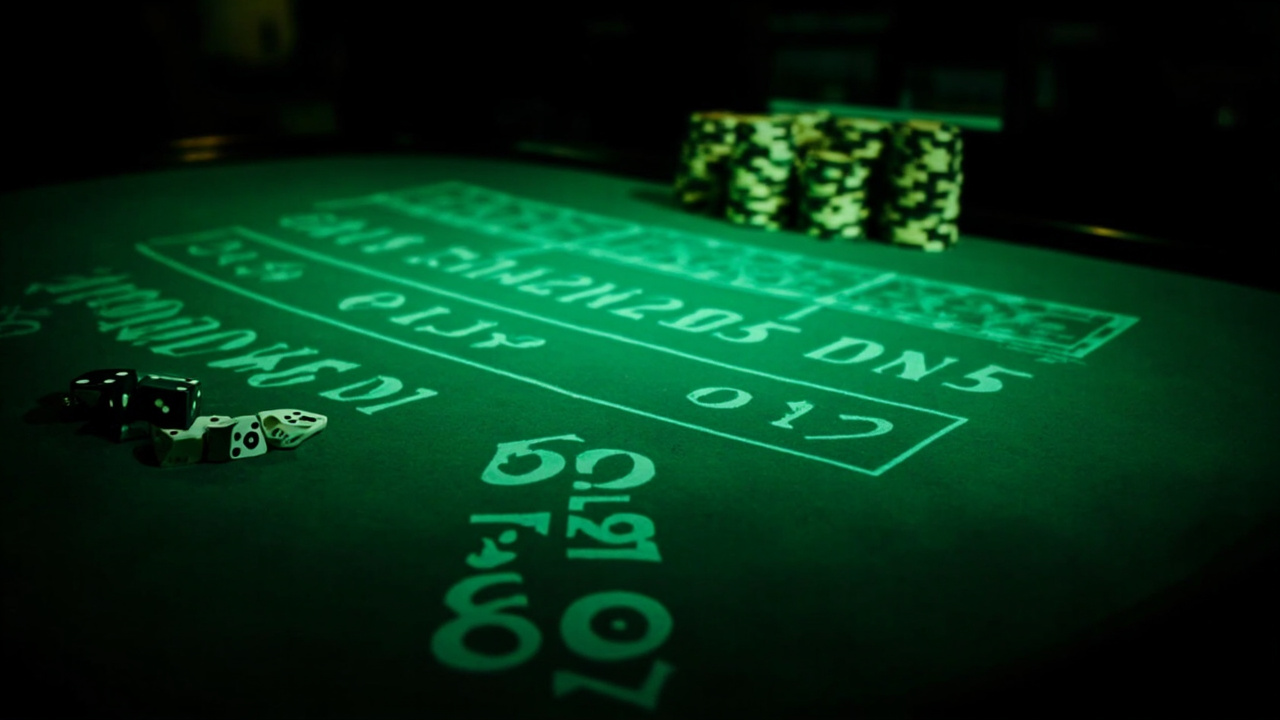
That preference is not about avoiding fun, it is about matching the wager to the kind of control you actually have. A main blackjack hand responds to your choices; a side bet mostly responds to the shuffle, which is a different kind of gamble and a different kind of cost.
Matching the Wager to the Session You Actually Want
The practical fit comes down to what you are buying with that extra chip. If you want a small, self-contained shot at a larger payout and you are comfortable with the hit frequency that comes with it, a side bet can sit neatly in a session as a bounded extra. If you want your money to follow a strategy-based game where your decisions matter, the same square usually becomes dead weight. The review focus here is not whether side bets are charming, because they often are; it is whether they belong in your particular session, given your bankroll, your time, and the way you handle a losing stretch.
A sensible session plan keeps the main bet as the priority and treats any side wager as a separate, pre-decided line item. That way the extra square stays a choice rather than a habit, and the session stays readable after the arvo lights dim over the Brisbane club floor.
The verdict is straightforward: blackjack side bets explained as a category are best understood as optional, higher-variance add-ons that belong only when you have already sized your main bet and your session goal, and only when you are willing to pay the built-in edge for a narrower shot at a bigger payout. For players who want their money tied to decisions, the better call is usually to skip them; for players who want a small, capped extra line of action, they can fit without taking over the table.